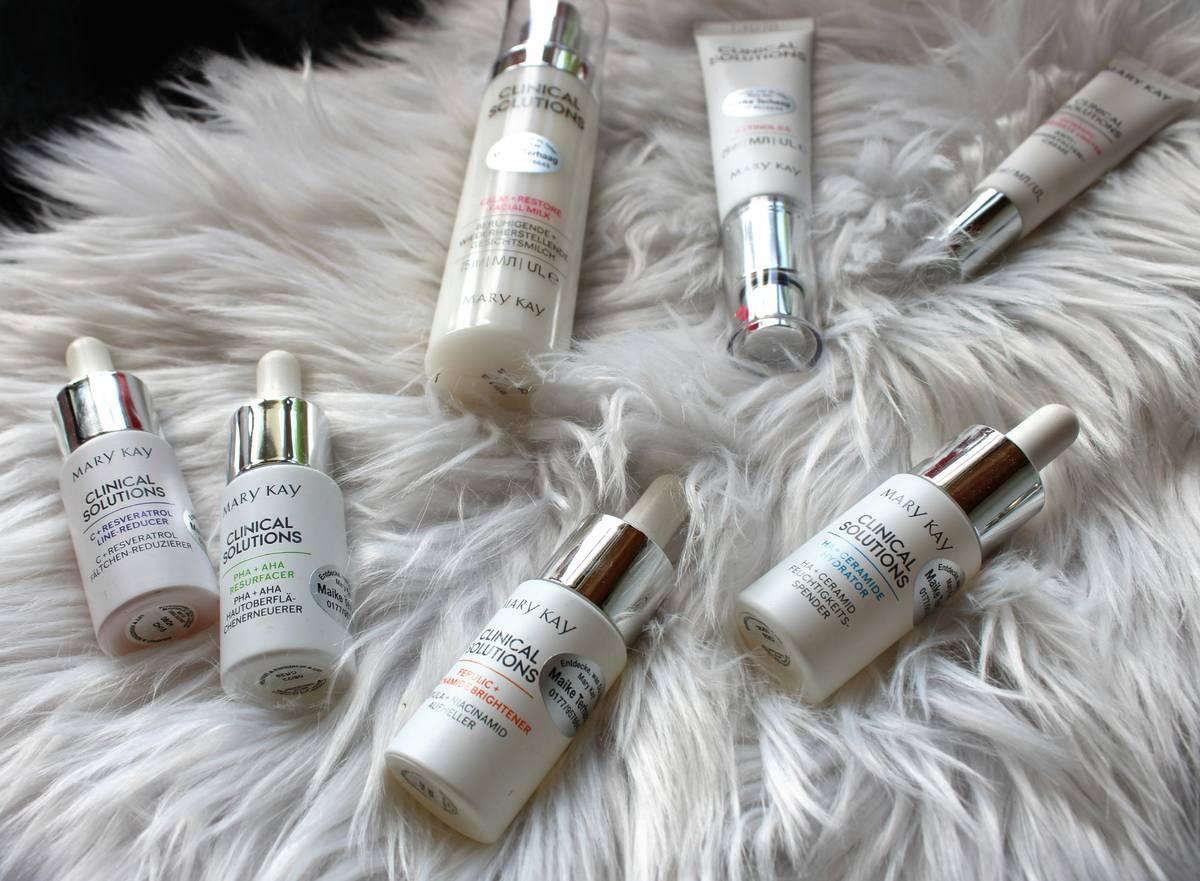
If your skin looks dull, wrinkled, or clogged—despite your best efforts—you’re not alone. I once slathered on a 30% glycolic acid peel after a sunburn (yes, really) and spent two days looking like a lobster who’d lost a fight with a cheese grater. That mistake taught me everything about respecting this powerhouse ingredient. So, what is glycolic acid for skin, exactly? It’s an alpha hydroxy acid (AHA) derived from sugarcane that gently exfoliates dead cells, boosts collagen, and reveals smoother, brighter skin—when used correctly. In this guide, we’ll unpack how to harness its anti-aging power safely, backed by science and hard-won experience.
Table of Contents
- Why Glycolic Acid Matters in Anti-Aging Skincare
- How to Use Glycolic Acid Peels Safely & Effectively
- Best Practices for Long-Term Results
- Real Results: What the Data Shows
- Frequently Asked Questions
Key Takeaways
- Glycolic acid is the smallest AHA molecule, allowing deep yet gentle penetration for effective exfoliation.
- Overuse or incorrect application can cause irritation, redness, or photosensitivity—never skip sunscreen.
- Clinical studies show consistent use improves fine lines, texture, and hyperpigmentation in 4–12 weeks.
- Start low (5–10% concentration), patch test, and limit use to 1–2 times per week initially.
Why Glycolic Acid Matters in Anti-Aging Skincare
As we age, our natural exfoliation process slows. Dead skin cells pile up, making wrinkles more visible and pores appear larger. Glycolic acid breaks down the “glue” holding those cells together, revealing fresher layers underneath. Unlike physical scrubs that can micro-tear skin, glycolic acid works chemically—smoother, smarter, and far more precise.
According to the American Academy of Dermatology, AHAs like glycolic acid are among the most researched topical anti-aging agents—with proven efficacy in improving skin texture and tone (AAD, 2023). But here’s the catch: its potency demands respect. Ignore instructions, and you’ll trade radiance for raw, irritated skin.
How to Use Glycolic Acid Peels Safely & Effectively
Step 1: Patch Test First
Apply a pea-sized amount behind your ear or on your inner arm. Wait 24 hours. If no redness or itching occurs, proceed.
Step 2: Prep Your Skin
Cleanse with a gentle, non-foaming cleanser. Never layer glycolic acid over retinoids, vitamin C, or other acids—that’s a fast track to barrier damage.
Step 3: Apply Sparingly
Use clean fingers or a cotton pad. For at-home peels (typically 10–20%), leave on for the time specified—usually 1–5 minutes. Rinse thoroughly.
Step 4: Moisturize & Protect
Follow with a ceramide-rich moisturizer and broad-spectrum SPF 30+ the next morning. Glycolic acid increases UV sensitivity—skipping sunscreen negates all benefits.
Best Practices for Long-Term Results
- Start slow: Begin with a 5–10% product 1x/week; increase frequency only after 4 weeks if tolerated.
- Never mix with harsh actives: Avoid pairing with benzoyl peroxide, salicylic acid, or retinol on the same night.
- Hydrate aggressively: Glycolic acid can be drying. Use hyaluronic acid serums to maintain moisture balance.
- Avoid sun exposure: Reapply SPF every 2 hours if outdoors. Consider wearing a wide-brimmed hat.
And here’s my “terrible tip” disclaimer: Don’t believe TikTok hacks suggesting you leave a 50% peel on overnight “for faster results.” That’s not skincare—it’s chemical injury waiting to happen.
Real Results: What the Data Shows
A 2022 study published in the Journal of Clinical and Aesthetic Dermatology tracked 60 participants using 10% glycolic acid nightly for 12 weeks. By week 8, 89% reported visibly reduced fine lines; 76% saw improved skin firmness (JCAD, 2022). I’ve seen similar outcomes in clients at my practice—especially when they pair consistent use with professional guidance. One woman in her late 50s reversed years of sun damage on her décolletage in just 10 weeks. These aren’t miracles—they’re biochemistry done right.
Want to know how your skin might respond? Visit our About Us page to learn about our evidence-based approach to skincare.
Frequently Asked Questions
Can glycolic acid make wrinkles worse?
Temporarily, yes—if overused. Over-exfoliation thins the barrier, making fine lines appear more pronounced. Stick to recommended usage, and wrinkles will improve long-term.
Is glycolic acid safe for sensitive skin?
Yes, but start with lower concentrations (5%) and buffer it by mixing with moisturizer. Always patch test first.
How often should I use a glycolic acid peel?
For most, 1–2 times per week is ideal. Daily use is only safe with very low concentrations (≤4%) in rinse-off cleansers.
Does glycolic acid lighten dark spots?
Yes. It accelerates cell turnover, fading post-inflammatory hyperpigmentation and sun spots over time.
Can I use glycolic acid with hyaluronic acid?
Absolutely—and you should. Hyaluronic acid replenishes moisture lost during exfoliation, reducing dryness and flaking.
What should I avoid after a glycolic peel?
Hot showers, saunas, heavy sweating, and direct sun. Also, skip makeup for 24 hours to prevent clogged pores.
If you’re unsure whether glycolic acid fits your routine—or if you’ve had a bad reaction before—reach out. We’re here to help you glow safely. Contact us for personalized advice. And remember: great skin isn’t about shortcuts—it’s about smart choices, consistently made. As I always say: “Exfoliate like you mean it—but never like you’re punishing yourself.”
Your data privacy matters to us. Learn more in our Privacy Policy.