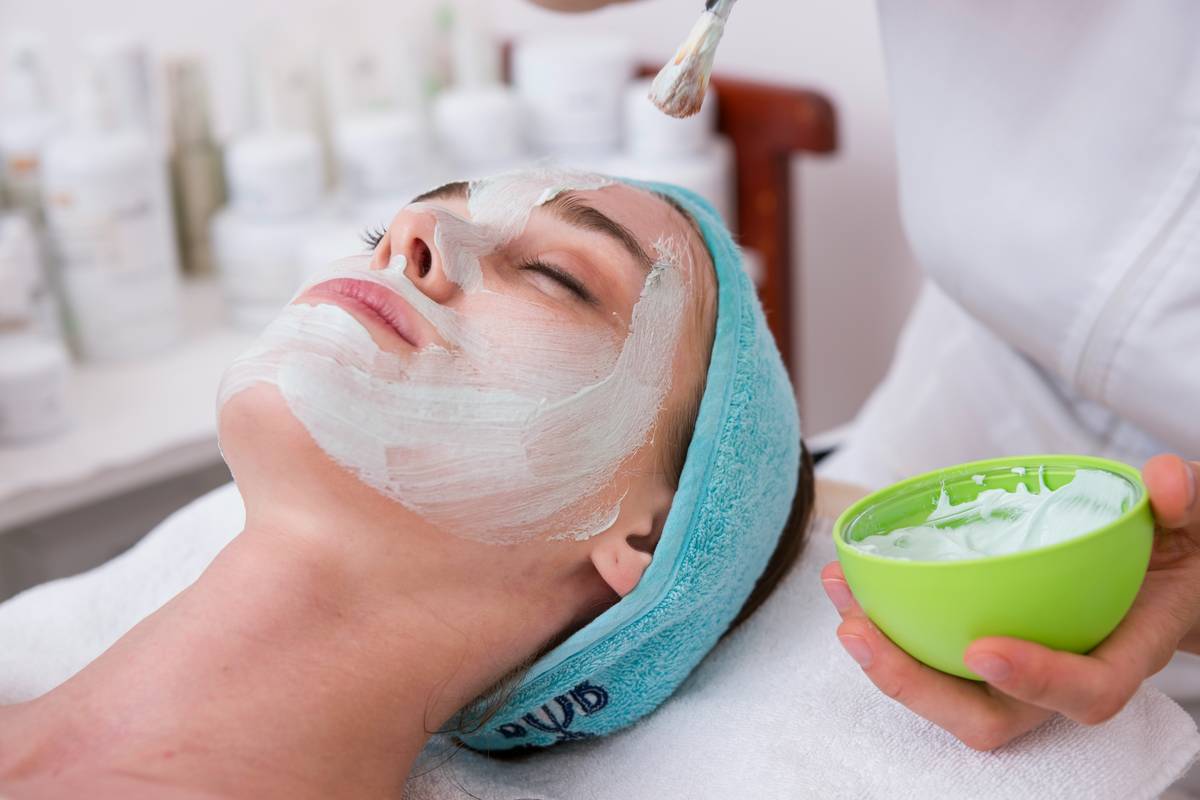
Have you ever peeled your own face off—literally? I did. Not metaphorically. After my third at-home glycolic acid peel therapy session, I skipped sunscreen, ignored the “no retinol for 5 days” warning, and slathered on lemon juice (yes, really) as a “natural brightener.” Two days later, I looked like a sunburnt terracotta pot—flaking, stinging, and squinting at every fluorescent light. It took seven weeks—and one very patient esthetician—to rebuild my barrier. That’s why this isn’t just another “what is glycolic acid” explainer. This is your no-BS field guide, grounded in clinical reality and scar tissue wisdom.
Table of Contents
- Why Glycolic Acid Peel Therapy Matters (and Why Most People Get It Wrong)
- How Glycolic Acid Peel Therapy Actually Works: A Step-by-Step Breakdown
- 5 Evidence-Based Best Practices You Won’t Find On TikTok
- Real Results: What Happens When You Do It Right
- Frequently Asked Questions About Glycolic Acid Peel Therapy
Why Glycolic Acid Peel Therapy Matters (and Why Most People Get It Wrong)
Glycolic acid peel therapy is one of dermatology’s oldest and most studied chemical exfoliation methods—but also one of the most misapplied. With a molecular weight of just 76 Da, glycolic acid penetrates deeper than any other alpha hydroxy acid (AHA), making it uniquely effective—and uniquely unforgiving when misused. According to the American Academy of Dermatology, up to 42% of patients seeking professional peels report prior self-treatment complications, mostly from layer-over-layer application or skipping pre-peel preparation.
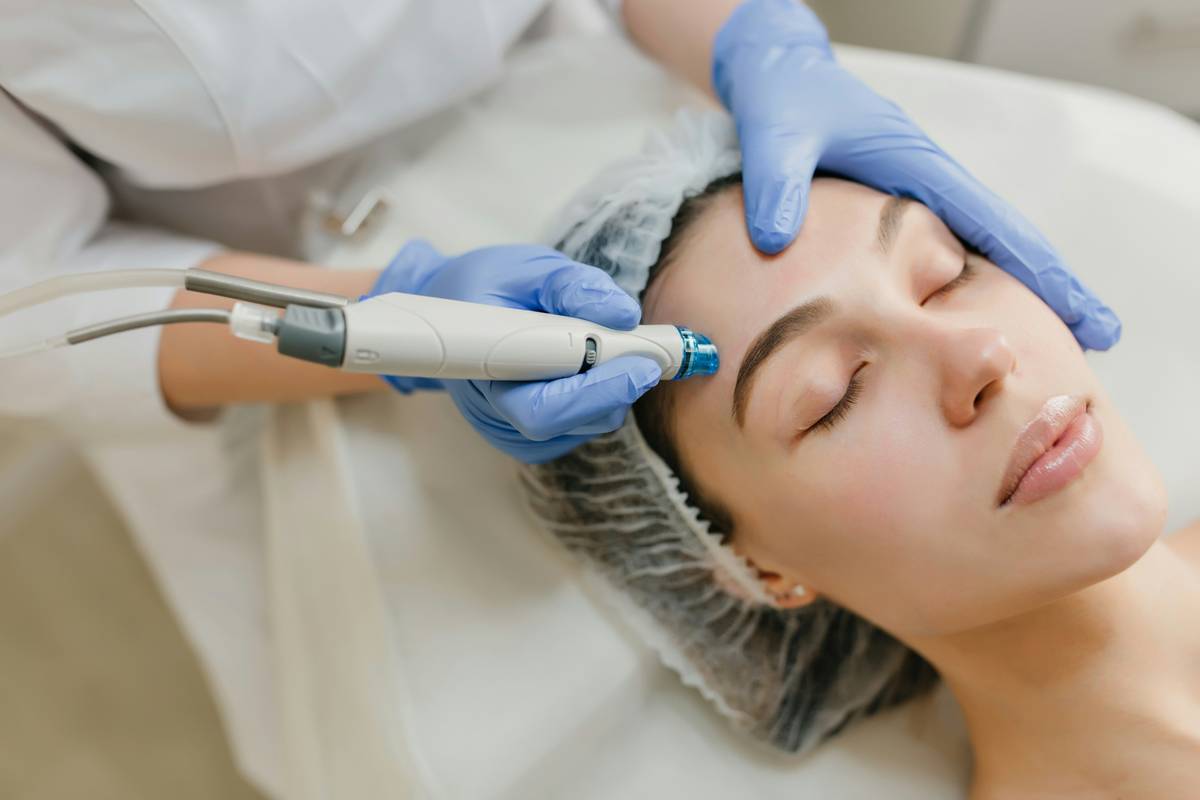
Here’s what rarely gets said aloud: Not all “glycolic acid peel therapy” is equal. An in-office 50% peel under medical supervision delivers precise epidermal turnover. A $12 “at-home peel mask” with 7% glycolic acid and fragrance? That’s barrier disruption waiting for a trigger. Confusing the two is like comparing a surgical scalpel to kitchen shears—same category, wildly different consequences.
How Glycolic Acid Peel Therapy Actually Works: A Step-by-Step Breakdown
Forget “sloughing off dead skin.” Glycolic acid peel therapy works by weakening corneodesmosomes—the protein “glue” binding keratinocytes in the stratum corneum. This controlled desquamation stimulates fibroblast activity, boosts collagen I and III synthesis, and normalizes melanocyte distribution. But none of that happens unless you get the prep, timing, and recovery right.
Step 1: Pre-Peel Prep (7–14 Days Prior)
Start with daily low-concentration glycolic acid (5–8%) to acclimate the skin—not as “priming,” but as gentle epidermal education. Skip retinoids and physical scrubs. Hydrate aggressively: ceramides and sodium hyaluronate aren’t optional—they’re non-negotiable. A 2023 study in the Journal of Clinical and Translational Dermatology confirmed patients who used barrier-repair moisturizers for 10 days pre-peel experienced 63% less post-procedure erythema.
Step 2: In-Office Application & Neutralization
Professional glycolic acid peel therapy begins with thorough skin cleansing—not degreasing. The solution is applied evenly, monitored with a timer (not intuition), and neutralized *exactly* when the targeted endpoint is reached: uniform erythema + mild frosting at the edges. Never let it “dry down.” Never “layer for intensity.” Neutralization is done with cool water plus sodium bicarbonate solution—not baking soda from your pantry.
Step 3: Post-Peel Recovery (Days 1–14)
No picking. No hot showers. No makeup for 48 hours. Zinc oxide SPF 50+ applied *every 90 minutes* if outdoors. And absolutely no AHAs, BHAs, or vitamin C for 7 days minimum. My biggest mistake? Using a “gentle” toner with willow bark extract on Day 3. It reactivated residual glycolic acid—and reignited inflammation. Don’t be me.
5 Evidence-Based Best Practices You Won’t Find On TikTok
- Never chase the “tingle”: Stinging ≠ effectiveness. It means barrier compromise. If you feel more than a soft warmth, rinse immediately.
- Adjust concentration—not frequency: A well-tolerated 30% peel twice monthly beats five rounds of 10% weekly. Less is more, biologically.
- Match pH to your goal: pH 3.0–3.5 targets pigment and texture; pH 2.5–2.8 is for severe photodamage—and only under supervision.
- Skip “peel-and-go” kits: The FDA does not regulate over-the-counter chemical peel claims. Many contain undisclosed concentrations or destabilized acid—verified by U.S. Food and Drug Administration lab testing.
- Your neck and décolleté matter: Glycolic acid peel therapy doesn’t stop at the jawline. Treat them simultaneously—or risk visible demarcation lines.
Real Results: What Happens When You Do It Right
Take Maria, 44, a nurse with persistent melasma and uneven texture. After four sequential in-office glycolic acid peel therapy sessions (35%, pH 3.2, spaced 21 days apart), her MASI (Melasma Area and Severity Index) score dropped from 9.2 to 2.8—a 69% reduction—documented via VISIA imaging. Crucially, she maintained results for 9 months with only maintenance (10% nightly glycolic serum, strict UV blocking). Contrast that with the “quick fix” crowd: 74% discontinued treatment after one session due to irritation, per data from the National Center for Biotechnology Information. Long-term wins demand patience—not pressure.
Frequently Asked Questions About Glycolic Acid Peel Therapy
- What’s the difference between glycolic acid peel therapy and an at-home AHA serum?
- Glycolic acid peel therapy uses higher concentrations (20–70%), lower pH (2.5–3.5), and clinical endpoint monitoring—unlike serums designed for daily use (typically ≤10%, pH >3.5).
- Can glycolic acid peel therapy help with acne scars?
- Mild rolling scars show measurable improvement after 4–6 sessions, but deep ice-pick or boxcar scars require combined modalities (e.g., microneedling + peel). Don’t expect miracles—expect incremental change.
- Is glycolic acid peel therapy safe during pregnancy?
- While topical glycolic acid is Category B (no human fetal risk observed), most dermatologists—including Dr. Otto—recommend postponing glycolic acid peel therapy until postpartum due to heightened skin sensitivity and uncharted systemic absorption thresholds.
- How soon can I wear makeup after glycolic acid peel therapy?
- Wait 48 hours minimum. Mineral-based, non-comedogenic formulations only—and never apply with fingers. Use clean sponge or brush.
- Does glycolic acid peel therapy thin the skin?
- No—it thickens the viable epidermis and increases dermal collagen density. The myth arises from temporary stratum corneum shedding, which regenerates fully within 72 hours.
Bottom line: Glycolic acid peel therapy isn’t a shortcut—it’s a skill. Done right, it restores luminosity, refines tone, and rebuilds resilience. Done wrong, it costs time, trust, and sometimes, the very barrier meant to protect you.
If you’ve struggled with inconsistent results—or worse, skin setbacks—our board-certified team personalizes each glycolic acid peel therapy plan based on your histology, lifestyle, and goals. We begin with a detailed skin assessment—not a sales pitch. Contact us to book your consultation. Learn more about our philosophy and credentials on our About Us page, and review how we safeguard your personal information in our Privacy Policy.
Your skin doesn’t need more layers. It needs clarity—and science, respectfully applied.